Gym Wear Fabric Guide: Cotton vs Polyester vs Spandex
Gym wear fabric performance comes down to how polyester-spandex blends, breathable micro-mesh, and combed cotton manage sweat, stretch recovery, and durability during local training sessions. Selecting the right material directly dictates whether your workout top handles 40°C Pakistani summers without clinging or wearing out prematurely. We evaluate how each textile behaves during heavy lifting and conditioning so you can match your shirt choice to your exact training demands.
Understanding Synthetic Performance Blends
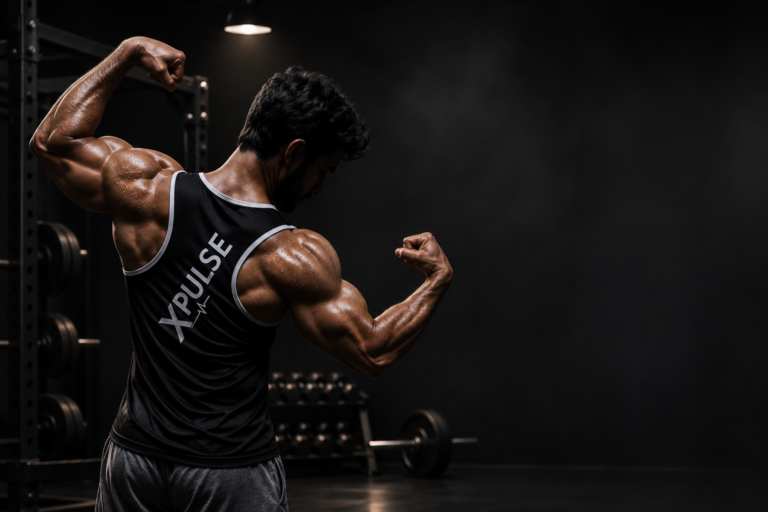
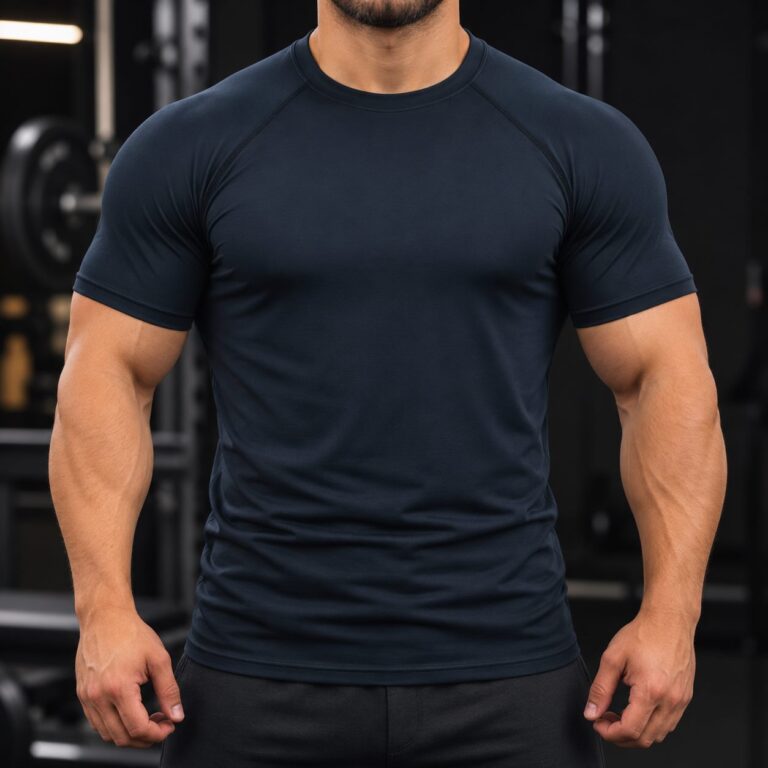
Synthetic performance items rely on precise material engineering, combining 82 percent polyester and 18 percent spandex to balance durability with flexibility. This specific ratio forms the foundation of our Compression Black gear, designed to handle rigorous lifting sessions.
The fabric construction introduces true 4-way stretch mechanics. Instead of pulling in just one direction, the textile yields horizontally and vertically, hugging the muscles for a secure second-skin support. This elasticity prevents the garment from bunching during compound movements like squats and overhead presses.
Intense workouts generate high friction between the skin and the fabric. Smooth synthetic filaments minimize chafing against the body, protecting high-impact zones during long training blocks. Moisture-wicking threads pull sweat away from the skin rapidly, keeping heavy lifters dry even when temperatures rise.
Breathable Micro-Mesh and Airflow Mechanics
Open-knit micro-mesh construction uses a specialized loop pattern that creates tiny gaps across the fabric surface. These microscopic apertures allow body heat to escape immediately while pulling fresh air inward during intense movement. In high-temperature training environments, this continuous ventilation accelerates sweat evaporation rates by maximizing skin exposure to circulating air.
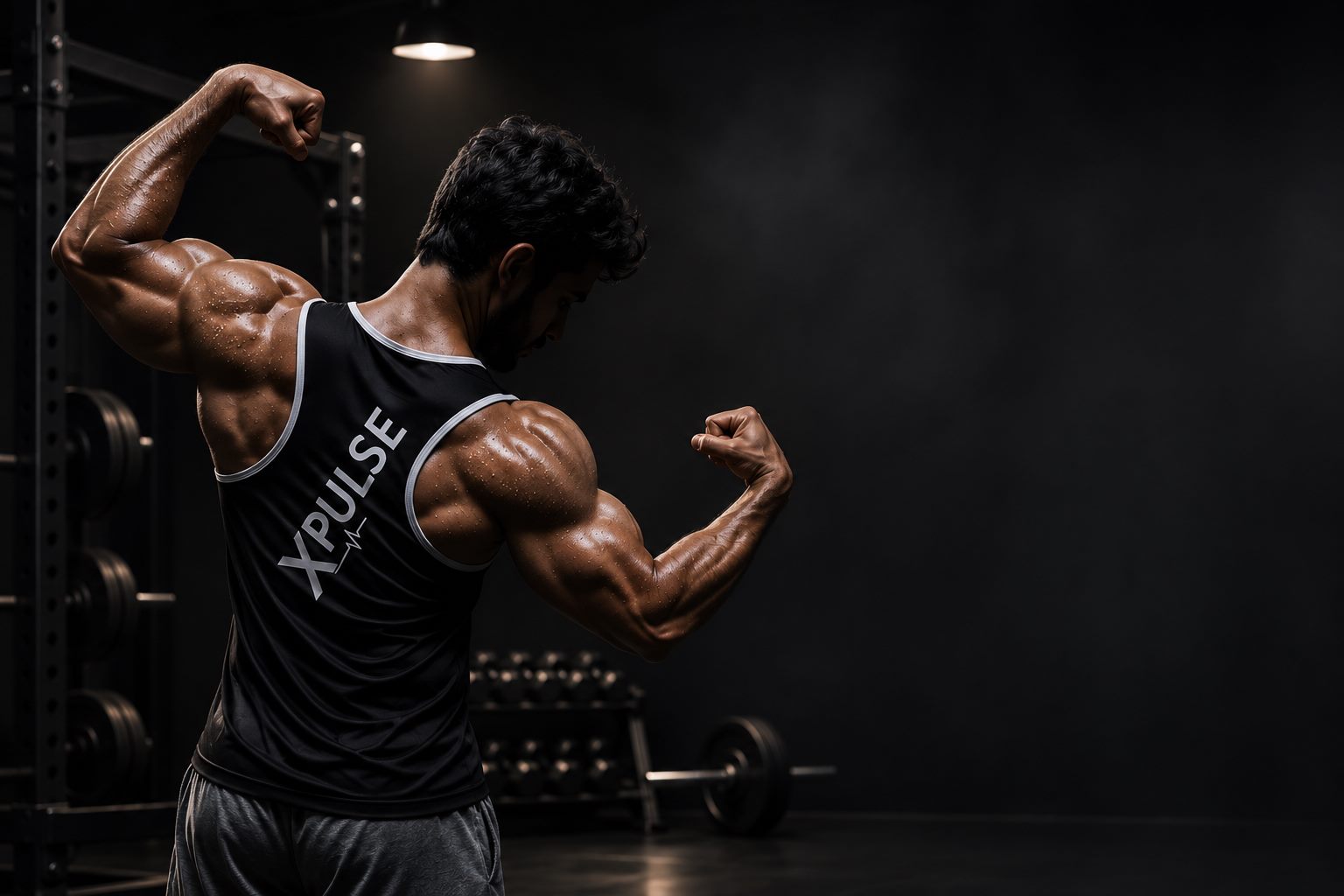
Athletes tackling intense training sessions in hot weather benefit most from garments designed specifically for maximum airflow. For instance, our lightweight Tank Top utilizes a breathable micro-mesh quick-dry fabric priced at Rs 1,250 to keep the body cool when temperatures rise. We find that open-knit structures outperform dense textiles during outdoor lifting sessions because stagnant humidity cannot trap heat against the skin.
Practical tip: Pair your breathable mesh gear with a cold wash and shade-drying routine to preserve the delicate open-knit structure over months of regular gym use.

Combed Cotton Blends for Daily Training
Heavy-weight 240 GSM combed cotton-blend materials feature a denser yarn structure that provides a relaxed fit while holding its shape through repeated training sessions. This construction creates a plush texture against the skin, delivering superior softness compared to pure synthetics like our Compression Black shirt. Lifters seeking comfort during upper-body sessions often prefer this fabric weight for casual training.
Heavy perspiration changes how cotton behaves under load. While pure synthetics or breathable options like the Tank Top dry rapidly by pushing moisture away from the skin, heavy cotton-blend shirts absorb sweat and hold moisture during intense workouts in 40°C Pakistani summers. This moisture retention increases fabric weight and slows down drying times significantly.
We advise checking our Drop Shoulder Tee for daily lifting if soft skin feel matters more to you than rapid sweat evaporation. Proper garment care helps maintain fabric quality over time. We recommend cold washing and shade-drying these cotton blends to prevent shrinkage and keep the fabric structure intact for your next workout across our entire shop collection.
Moisture Management and Thermal Regulation
Synthetics dry rapidly during heavy exertion, whereas cotton absorbs sweat and retains moisture against the skin. Handling high ambient temperatures requires matching fabric properties to specific training routines. No single material suits every workout, meaning training variety dictates wardrobe choices.
Polyester and spandex blends excel at moisture-wicking and quick drying, making them ideal for intense conditioning sessions. For instance, our Compression Black utilizes an 82% polyester and 18% spandex second-skin fit to manage heavy perspiration effectively. Conversely, breathable micro-mesh keeps air moving freely during fast-paced movement, which powers items like our lightweight Tank Top. Lifting heavy weights in harsh summer conditions often demands a different feel entirely.
Our 240 GSM combed cotton-blend Drop Shoulder Tee provides a softer texture for daily wear, though it holds more moisture than synthetics during prolonged sweat sessions. Selecting the right garment depends on balancing breathability, stretch recovery, and local climate demands across Pakistan.
Illustrative example: Consider an athlete completing a 60-minute training session in a 40°C environment. The table below outlines how different materials perform under heavy thermal stress.
| Fabric Type | Moisture Wicking | Drying Speed | Best Use Case |
|---|---|---|---|
| Polyester-Spandex | High | Rapid | Intense lifting and compression fit |
| Micro-Mesh | Very High | Instant | Cardio and high-heat airflow |
| Combed Cotton Blend | Low (Absorbs) | Slow | Casual wear and moderate lifting |

Sublimated Prints Versus Traditional Screen Printing
Permanent sublimation printing bonds ink directly into synthetic fibers at the molecular level, transforming the pigment into part of the fabric itself rather than sitting on top of the textile. This thermal bonding method prevents the design from cracking, peeling, or fading over repeated friction and heavy gym use. We apply this advanced technique to our Sublimated Compression Shirt to ensure bold blue, purple, or white prints maintain their visual intensity.
Traditional screen printing, by contrast, deposits a heavy layer of plastisol ink directly onto the surface of the material. While effective for cotton garments like our Drop Shoulder Tee, surface printing on high-stretch technical gear creates a rigid barrier. When athletes stretch and move during heavy lifting sessions, surface ink undergoes mechanical stress that causes premature cracking and flaking.
Aesthetic longevity on compression shirts depends entirely on this molecular integration. Because sublimation dyes become part of the weave, the garment retains complete breathability and four-way stretch recovery without the stiff patches typical of conventional printing methods.
Fabric Maintenance and Garment Care Routines
Proper washing and drying steps protect synthetic elasticity and extend the lifespan of your activewear through heavy gym sessions. We recommend cold water machine or hand washing for all breathable micro-mesh and synthetic blend garments to prevent thermal breakdown of spandex fibers. Hot water weakens stretch retention over time, causing shirts to lose their second-skin fit.
Common mistake: Tumble drying activewear on high heat settings shrinks polyester blends and warps elastic threads, destroying the recovery shape of garments like our Compression Black shirt. High heat bakes sweat and odor compounds directly into synthetic weaves, making smells harder to wash out later.
Always opt for shade drying on a flat surface or hanging gear in a well-ventilated indoor area away from direct sunlight. Ultraviolet rays degrade polyester dyes and weaken rubberized threads. Treating your Drop Shoulder Tee and micro-mesh tops with simple cold rinses preserves fabric performance during hot summer workouts across Pakistan.
Selecting the Right Fit Using Flat Measurements
Accurate sizing relies on measuring an existing shirt flat in inches rather than trusting standard labels. Fabric stretches vary significantly between a 240 GSM combed cotton blend and an 82% polyester with 18% spandex second-skin fit like our Compression Black top. Standard letter tags vary wildly across different manufacturers, making flat measurements the most reliable metric for buying gym apparel online.
Shoppers should always consult our XPulse Wear Size Guide before placing an order across Pakistan. Laying a current favourite shirt on a flat surface and measuring chest width from armpit to armpit prevents sizing errors. This simple step ensures that garments with high recovery, such as our Sublimated Compression Shirt, or loose-cut items like the Drop Shoulder Tee, fit comfortably during heavy training sessions.
Illustrative example: Measuring a well-fitting cotton tee across the chest yields twenty inches flat, guiding a direct match on the size chart to secure the correct size without guesswork or unnecessary returns.
Frequently Asked Questions
What is the best fabric for gym wear?
The best fabric depends entirely on your training style and local weather conditions. For heavy lifting and hot summer days, we often recommend lightweight breathable micro-mesh quick-dry fabrics or cotton blends. For high-intensity sessions requiring muscle support, synthetic blends offer moisture management and flexibility.
What is gym wear fabric called?
Gym wear fabric is commonly referred to by its specific material composition, such as polyester, spandex, or combed cotton-blend. High-performance activewear typically utilizes technical textiles engineered for moisture-wicking and stretch, such as four-way stretch polyester-spandex blends designed for a second-skin fit.
Which fabric is best for a gym?
Polyester and spandex blends work best for intense gym workouts because they wick sweat away from the body and dry quickly. For casual lifting or lounging, breathable cotton-blend oversized shirts provide superior comfort during standard weightlifting routines.
What fabric is activewear made of?
Activewear is manufactured from a variety of synthetic and natural textiles, including polyester, spandex, nylon, and cotton blends. These materials are selected for their durability, breathability, and stretch properties to accommodate rigorous physical movement during workouts.
Key Takeaways
- Match your workout intensity to fabric choice by selecting polyester-spandex for sweat-heavy lifting sessions and combed cotton blends for everyday comfort.
- Measure an existing shirt flat in inches and compare it against the official size guide before ordering to ensure an accurate fit.
- Wash performance and cotton gym wear in cold water and dry them in the shade to protect fabric elasticity and color vibrancy.
- Take advantage of flat-rate delivery across Pakistan and automatic free shipping on orders totaling three thousand rupees or more.
- Utilize the seven-day easy size exchange policy if your received gym top requires a different size from small to extra-extra-large.
Disclaimer: This article is provided for educational and informational purposes only and does not constitute financial, legal, or investment advice.