How to Wash Gym Clothes So They Last Longer
Sweat, Pakistani hard water, hot wash cycles, and harsh afternoon sun break down activewear elasticity much faster than heavy workouts ever do. When you wash performance fabrics with cold water, mild liquid detergent, and shaded air-drying, your compression shirts, micro-mesh tanks, and heavyweight cotton tees hold their shape, colour, and stretch for months longer.
Key Takeaways
- Air out first: Hang sweaty shirts within 30 minutes after training instead of leaving them damp inside a zipped gym bag.
- Wash cold and inside out: Keep water under 30°C to protect the 18% spandex elastane core in compression gear.
- Skip softener and bleach: Fabric softener clogs sweat-wicking pores and locks in odour, while bleach destroys stretch fibres and dark dyes.
- Use liquid detergent in hard water: Liquid detergent dissolves cleanly in cold borehole or tap water without leaving chalky residue.
- Dry in the shade: Direct Pakistani sunlight and tumble dryers snap elastane threads and fade black, blue, and olive fabrics.
How Do You Care for Gym Clothes Right After a Workout?
Take wet gym clothes out of your bag as soon as you reach home and hang them over a chair or drying line to air dry before putting them in the laundry basket. Leaving warm, sweat-soaked shirts balled up in a dark backpack creates an ideal environment for odour-causing bacteria to multiply inside synthetic yarns. Once that bacterial film settles into the seams, a normal quick wash rarely clears the smell completely.
If you train in humid cities like Lahore or Karachi during summer and cannot run a wash the same evening, rinse the shirt under cold tap water for 20 seconds and hang it in an airy room. Flushing out fresh salt crystals stops stiffness around the underarms and collar. Always turn every shirt inside out before tossing it into the machine because dead skin cells, deodorant residue, and body oils collect on the inner face of the garment.
How Should You Wash 82% Polyester and 18% Spandex Compression Shirts?
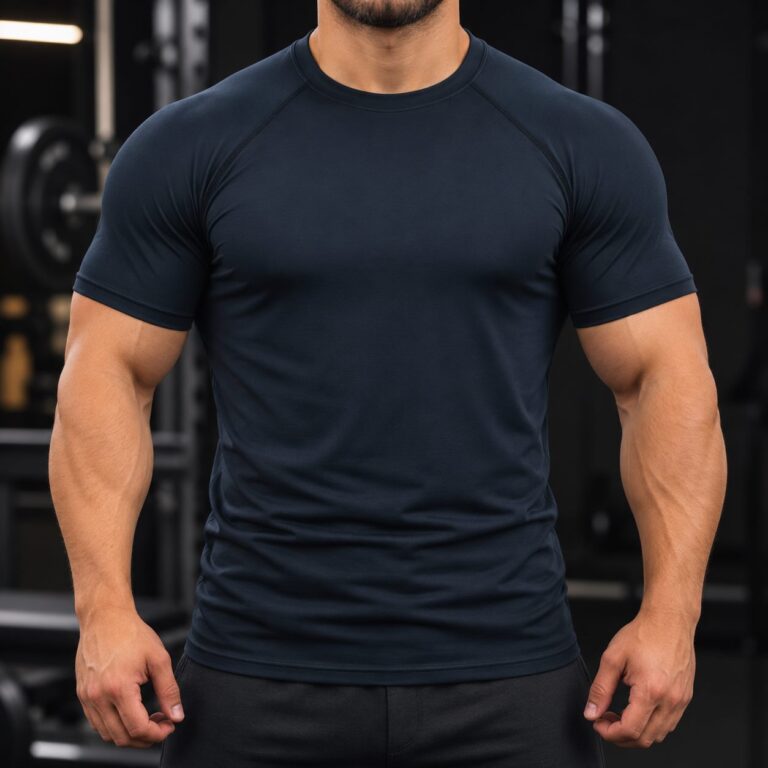
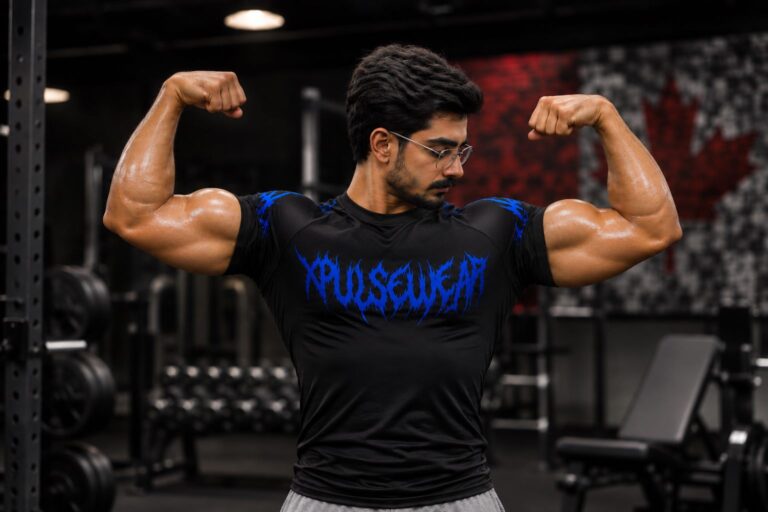
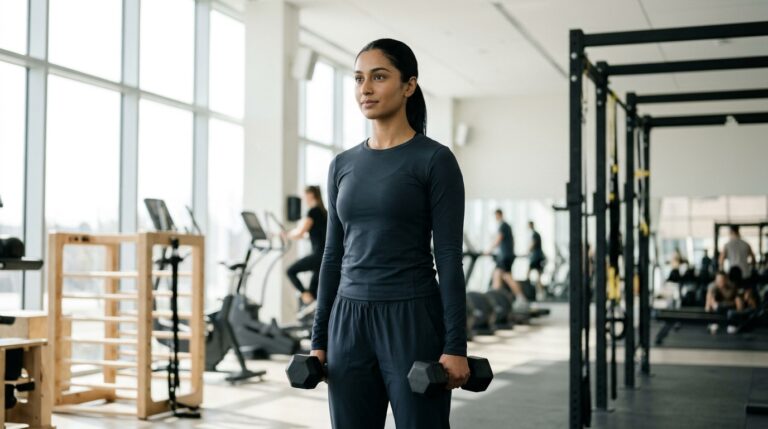
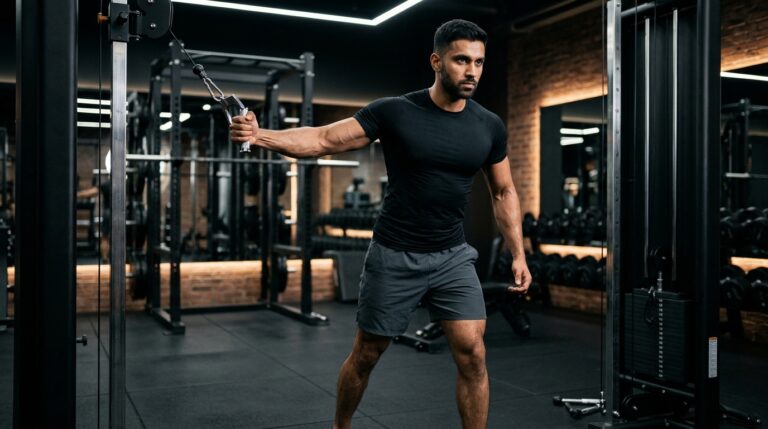
Wash 82% Polyester / 18% Spandex gear on a cold, gentle cycle with mild liquid detergent and zero fabric softener. Our Compression Black shirt (Rs 2,200, S–XXL) and Sublimated Compression Shirt (Rs 3,000, Blue, Purple, and White prints on black, S–XXL) rely on high-recovery elastane threads for their locked-in second-skin fit. Hot water relaxes those elastane coils, causing sleeves and waistbands to go baggy after only a handful of washes.
Keep compression tops away from heavy denim, metal zippers, and Velcro lifting straps inside the washing drum. Friction against rough metal teeth creates tiny surface snags across smooth compression knit. Sublimated designs stay sharp because the ink is infused directly into the polyester fibres rather than printed as a surface layer, yet harsh chlorine bleach or boiling water can still dull the black base fabric. Stick to cold water, gentle agitation, and one tablespoon of mild liquid detergent per small activewear load.
What Is the Best Way to Wash Micro-Mesh Tank Tops and 240 GSM Cotton Tees?
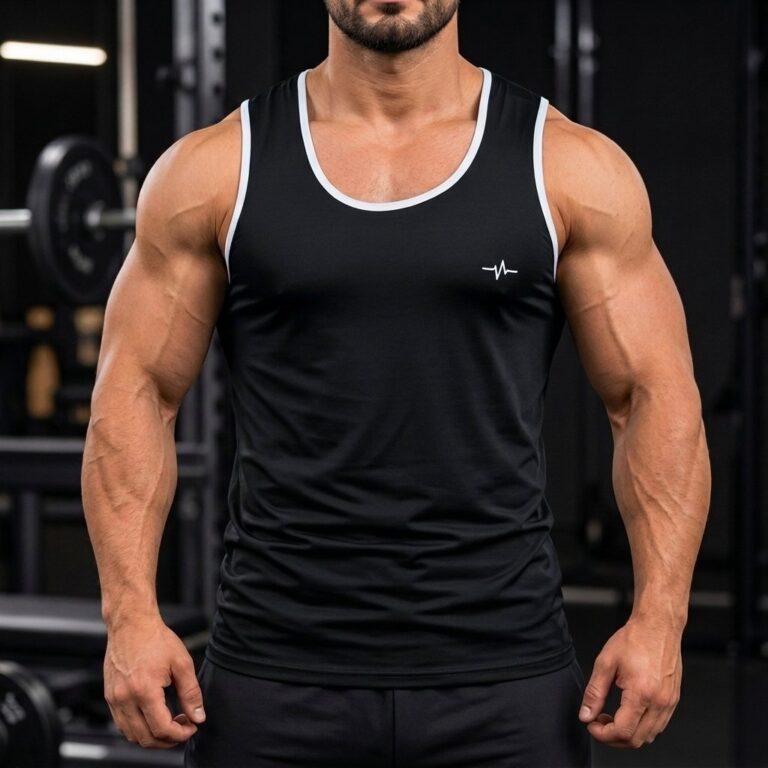
Separate lightweight micro-mesh vests from heavyweight cotton tees so both fabrics get the wash cycle they need without abrasion damage. Open-pore micro-mesh on our XPulse Tank Top (Rs 1,250 in Black, Blue, and Olive Green, S–XXL) allows rapid airflow during intense sets, yet those open knit loops can catch on buttons or rough seams if tumbled loose with everyday jeans. Place tank tops inside a mesh laundry bag or wash them together with compression shirts on a delicate setting.
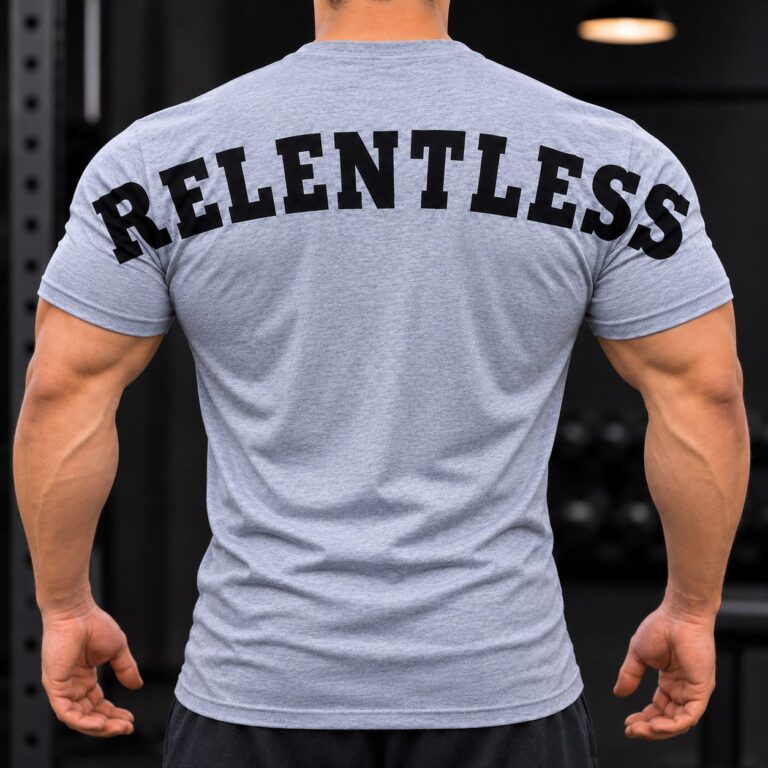
Heavier cotton blends behave differently in the machine. Our Drop Shoulder Tee (Rs 1,900 in Grey and White, S–XL) uses thick 240 GSM combed cotton blend fabric built to hold a clean boxy drape. Wash it inside out in cold water with similar colours to prevent collar twisting, shrinkage, and surface pilling. Avoid heavy wringing by hand; instead, press excess water out gently against a towel or run a low-speed machine spin at 600–800 RPM.
How Does Pakistani Hard Water Affect Gym Fabric and How Can You Fix It?
Hard tap and borehole water across Islamabad, Rawalpindi, Lahore, and Karachi contains dissolved calcium and magnesium minerals that cling to synthetic fibres and trap sour sweat smells. Over weeks of washing, those minerals combine with leftover powder detergent to form a stiff film that blocks moisture-wicking channels. Switching to liquid detergent immediately reduces chalky residue because liquid soap disperses evenly in cold water.
When a favourite gym shirt still smells musty right out of the wash, give it a simple cold vinegar pre-soak before its regular cycle:
- Fill a clean bucket with 5–6 litres of cold tap water and stir in half a cup of plain white household vinegar.
- Submerge the shirts inside out and soak for 30 minutes so the mild acid dissolves mineral buildup and deodorant residue.
- Drain the bucket, run a short cold wash with mild liquid detergent, and skip softener completely.
Why Should You Dry Gym Wear in the Shade Instead of Direct Sun?
Direct afternoon sun in Pakistan weakens spandex elasticity and bleaches dark activewear dyes almost as quickly as a hot tumble dryer. Ultraviolet rays dry out synthetic polymer chains, leaving black compression shirts looking washed-out grey and making olive or blue tank tops brittle around the shoulders. Hang every gym shirt inside out in a shaded balcony, veranda, or indoor room with cross-ventilation instead.
Synthetic fabrics dry fast even without direct sunlight. In normal Pakistani weather, 82% Polyester / 18% Spandex compression shirts and micro-mesh tank tops air-dry in roughly 60 to 120 minutes in the shade. For your 240 GSM Drop Shoulder Tee, use a wide-shoulder plastic or wooden hanger rather than thin wire hangers or tight clothespins so the damp cotton weight never stretches out the neckline or leaves shoulder bumps.
XPulse Wear Fabric Care Comparison
| Garment & Fabric | Water & Cycle | Detergent Rule | Drying Method |
|---|---|---|---|
| Compression Black (Rs 2,200) 82% Polyester / 18% Spandex | Cold (≤ 30°C), gentle cycle, inside out | Mild liquid detergent; no softener or bleach | Shade hang dry; never iron or tumble dry |
| Sublimated Compression Shirt (Rs 3,000) 82% Polyester / 18% Spandex | Cold (≤ 30°C), gentle cycle, inside out | Mild liquid detergent; optional vinegar soak | Shade hang dry away from UV sun |
| Tank Top (Rs 1,250) Breathable Micro-Mesh | Cold, delicate cycle or mesh wash bag | Light liquid detergent; zero softener | Air dry flat or on wide hanger in shade |
| Drop Shoulder Tee (Rs 1,900) 240 GSM Combed Cotton Blend | Cold, short wash, inside out with similar shades | Mild detergent; no chlorine bleach | Shade dry on wide hanger; warm iron inside out if needed |
Frequently Asked Questions About Washing Gym Clothes
Can I use fabric softener on compression shirts or tank tops?
No. Fabric softener leaves a waxy silicone coating over polyester, spandex, and micro-mesh fibres. That film blocks sweat wicking, traps odour bacteria inside the knit, and reduces stretch recovery over time.
How do I remove stubborn sweat smell from polyester gym shirts?
Soak the shirt inside out for 30 minutes in cold water mixed with half a cup of plain white vinegar before washing with mild liquid detergent. Vinegar breaks down trapped sweat salts and hard-water mineral residue without weakening spandex.
Will sublimation prints crack or peel after washing?
No, when cared for properly. Sublimation ink dyes directly into the polyester yarn rather than sitting on top like heat-pressed vinyl, so prints on the Sublimated Compression Shirt do not crack or peel as long as you wash cold and avoid bleach.
Can I tumble dry a 240 GSM cotton drop shoulder gym tee?
Avoid machine tumble drying if you want the boxy fit and length to stay true. High dryer heat shrinks cotton fibres and stresses neck ribbing, so hang your Drop Shoulder Tee on a wide hanger in shaded airflow instead.